
Clutch Chess, Day One: Nakamura Leads, and the Page Never Said What Leading Was Worth
**मुख्य उत्तर (≤60 शब्द):** क्लच चेस के पहले दिन के बाद हिकारू नाकामुरा स्टैंडिंग में आगे थे, पर उपलब्ध रिपोर्ट में स्कोर, प्रतिद्वंद्वी, तारीख या टाइम कंट्रोल कुछ भी दर्ज नहीं है। इसलिए यह बढ़त खेल-प्रदर्शन का प्रमाण नहीं, केवल एक अपूर्ण अवस्था-विवरण है। **मुख्य तथ्य:** - पेज पर हेडलाइन क्लच चेस की थी, पर मुख्य सामग्री फ्रिट्ज़ 20 ट्रेनिंग सॉफ़्टवेयर की थी। - क्लच चेस सेंट लुइस चेस क्लब का इनविटेशनल इवेंट है; 2020 के संस्करण महामारी काल में खेले गए। - बारह-गेम मैच में गेम 5-6 दुगुने और गेम 11-12 तिगुने अंक के थे; कुल 18 अंक। - हिकारू नाकामुरा का क्लासिकल शिखर अगस्त 2015 की सूची में 2816 था। - पेज पर प्रकाशन तिथि और स्रोत दर्ज नहीं; छह में चार जानकारी-बिंदु विज्ञापन थे। **स्रोत:** अज्ञात एग्रीगेटर पेज, शीर्षक "Clutch Chess: Nakamura leads after lively first day of action"; प्रकाशन तिथि दर्ज नहीं। फॉर्मैट विवरण सेंट लुइस चेस क्लब की सार्वजनिक जानकारी पर आधारित। **संबंधित प्रश्न-उत्तर:** प्रश्न: क्या नाकामुरा का पहले दिन आगे होना मज़बूत फ़ॉर्म दर्शाता है? उत्तर: नहीं — दुगुने-तिगुने अंक वाले फॉर्मैट में एक दिन की बढ़त दो गेम में उलट सकती है, इसलिए यह अवस्था है, प्रदर्शन का माप नहीं। प्रश्न: फ्रिट्ज़ 20 क्या है और उसके दावे कितने ठोस हैं? उत्तर: यह एक वाणिज्यिक चेस ट्रेनिंग सॉफ़्टवेयर है, जिसके सभी चार विज्ञापन-दावे बिना किसी मापे गए आँकड़े या तुलना के हैं। प्रश्न: इस पेज का सबसे बड़ा जोखिम क्या है? उत्तर: हेडलाइन खबर जैसी और सामग्री विज्ञापन जैसी है, जिससे पाठक प्रदर्शन के बारे में ग़लत अनुमान बना सकता है।
The headline on the page was large; the four paragraphs beneath it were small. Nowhere in between was there a date. No score. No name of the player sitting opposite. No time control. Just one sentence — Hikaru Nakamura leads after the first day of Clutch Chess — and below it an advertisement for Fritz 20, which calls itself "more than a chess engine, a training revolution."
I read that page three times. The first time for the news. The second because I felt something was missing. The third because I understood: what was missing was the news.
In March 2026, from a rented hall in Balewadi, Pune, I webcast the National 'A' chess championship — a webcast, Pune, the makeshift rig that carried a national feed: one camera, one 4G dongle, one borrowed mixer, three people. Nine rounds, six hours a day. Peak concurrent viewers, 1,100. At one in the morning I would file 600 words — not on the standings, but on the ceiling fans, a coach's folded arms, a mother's tiffin box. Those nine nights gave me a habit I never lost: room first, result later. This page ran that order backwards. Result first, room missing.
The page did not even tell me which year the event belonged to. What is publicly on record is this: Clutch Chess is an invitational run by the Saint Louis Chess Club, and its 2026 editions were played in the pandemic months when halls worldwide stood empty and over-the-board travel had stopped. It sits outside the championship cycle. No Candidates path runs through it, no rating slot is on offer. It is an exhibition-tier event, and the real product of such an event is its format.
That format was nowhere on the page. The scoring the organisers published is unusual: a twelve-game match in which the fifth and sixth games carry double points, and the eleventh and twelfth carry triple. Do the arithmetic — the first four games are worth four points, the two double games four, the next four four, and the last two six. Eighteen in all. The final two games alone are worth six points; the first four together are worth four. More than fifty-five per cent of the points available in the match sit in those closing games, the stretch I think of as the late fire.
Return now to the headline. If four games were played on day one, four points were on offer that day. A player can be at most four points ahead, and only by winning all four — which almost never happens in a twelve-game match. In practice a single day's gap is one or two points. Suppose someone leads 4-2. The opponent wins game eleven: three points to him, none to the leader. The score reads 5-4, and the man who was two points clear is now one point behind. In this format, a first-day lead is not a position; it is a loan — one the other side can call back inside two games.
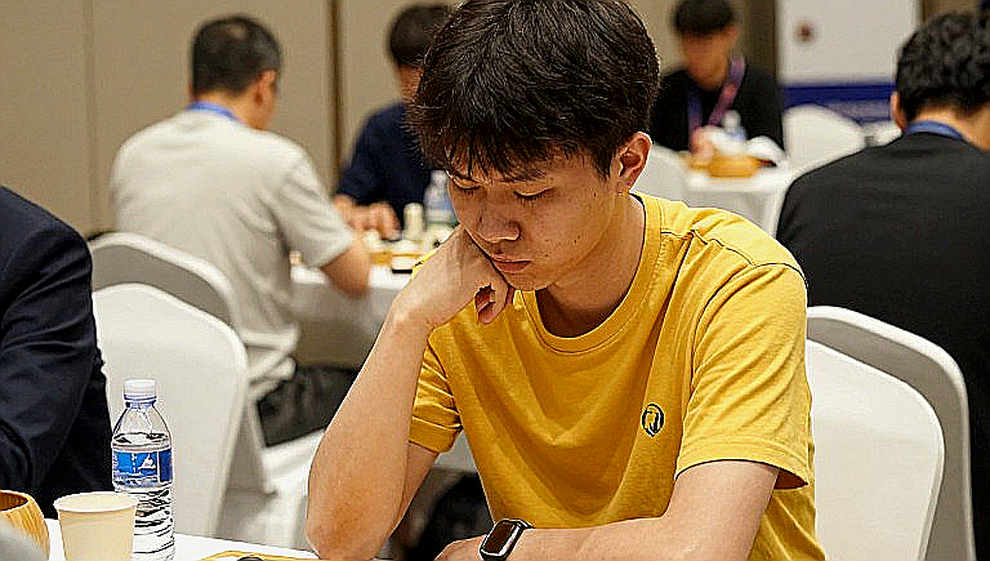
That is why "leads after day one" is a state, not a measurement. A measurement needed four things: by how many points, over how many games, against whom, on which day. Not one of the four was on the page. The absence did not surprise me, because empty space is never neutral — it always fills in someone's favour. Here it filled in the advertisement's.
What is on record about Nakamura did not come from this page, and it still matters. His classical peak was 2816 on the August 2026 list. He holds multiple US championship titles. But what made him the face of events like this was never the classical number — it was his grip on rapid and blitz, and his presence on stream. When the world's top players moved online in 2026, Nakamura was already sitting there: in front of the camera, mic open, analysing his own games.
That is a distinct tier, and I have no hesitation naming it: the content-athlete. Their market value is built on reach, not rating. A format-first event needs exactly this kind of name — someone who wins on the board and on the camera. Nakamura is both, so his name in the headline is no surprise. The surprise is that directly beneath that headline there was not one hard fact about how he played.
I know what a proper first-day report contains, because I have called nine such rounds. A line of standings, the margin, which game turned, where the time trouble came, who got caught in the opening, and who was sitting in the hall. Strip all of that out and what remains is not news. It is a slogan.
The page carried six information points in total. One headline. One sentence — "lively first day" — which came from someone's opinion rather than any document. And four points about Fritz 20. A page that should have been a Clutch Chess report held one sentence about chess and four about software. I also noticed that all four product claims arrive without a single number: no measured Elo gain, no training-hours-to-improvement ratio, no comparison with the previous version, no hardware requirement, no strength estimate at all.
Now the part that stings. We tend to remember the clutch format as a reform — a way of fighting short draws and dead rubbers. True, but half true. The purpose of doubled and tripled points is not fairness; it is retention. The organiser wants viewers to stay on screen through the final hour, so the early part of the match is deliberately devalued. A legitimate consequence is that the title can go to a player who won fewer games, but won the expensive ones. That is not an arithmetic error; it is the design's intention. But if the reporting never states where the points double, the reader will read that victory as something it is not. That is the deepest omission here: without the format, the word "leads" is only an illusion, one that will have to be quietly corrected three days later.

And then the advertisement. I do not want to sermonise, but one fact matters. The Fritz name comes from the generation of chess engines when raw strength could still be sold. In November 2026 in Bonn, Deep Fritz beat Kramnik 4-2. Two years later I was in the same city covering the Anand–Kramnik world championship, and the first question I put to the new champion on the morning after his win was precisely this: where does the human being now stand?
That question is finished, and that is the real story on this page. Stockfish-class engines are free. Neural engines are free. And they are not weaker than anything sold commercially. When strength is free, what sells is workflow. That is why the page's language is not "strongest engine" but "personal trainer", "efficient", "intelligent", "individual", "more than ever". And that is why no number appears. "Train more efficiently than ever before" is a claim almost impossible to falsify — which is its strength, and its weakness. A claim that cannot fail in any direction is not information.
Why were the two things on the same page at all? Because the chess economy has split in two. The organiser sells attention, through the headline. The training software sells aspiration, to the reader who arrived for the headline and is wondering whether he might play like that one day. Integrating them into one product is hard, so they get stapled onto one page. This is not the first time it has happened, but it carries a price: once the news hook becomes the advertisement, every downstream judgement built on that news — rating, form, career — stands on the same weak foundation. And if this page was assembled by pairing an old report with a new advertisement, that is a symptom of the same disease.
In 2026 I called fourteen World Cup matches off-tube from a windowless Pune studio — no pitch, no crowd, a producer shouting timings in my ear. I banked that fee and spent it in November in Kolkata, where Anand and Carlsen sat four feet apart and the hall fell silent before a move. That evening I decided I would never commentate on chess off-tube again. If an event matters, I pay my own way into the hall — even for a webcast with forty viewers. Because a scoreboard does not lie, but it does not tell you everything either.
In 2026 I learned something else, one night. The laptop was balanced on an ironing board in a spare bedroom in Kothrud, it was half past one, and the servers collapsed. Forty-seven minutes with no feed, no result, no producer — just me and empty air. Those forty-seven minutes taught me how to hold an empty space. Afterwards I did not write for eleven weeks, walked Parvati hill every morning and filled a notebook. When I came back I built a silence plan into every script: where to pause, what not to say.
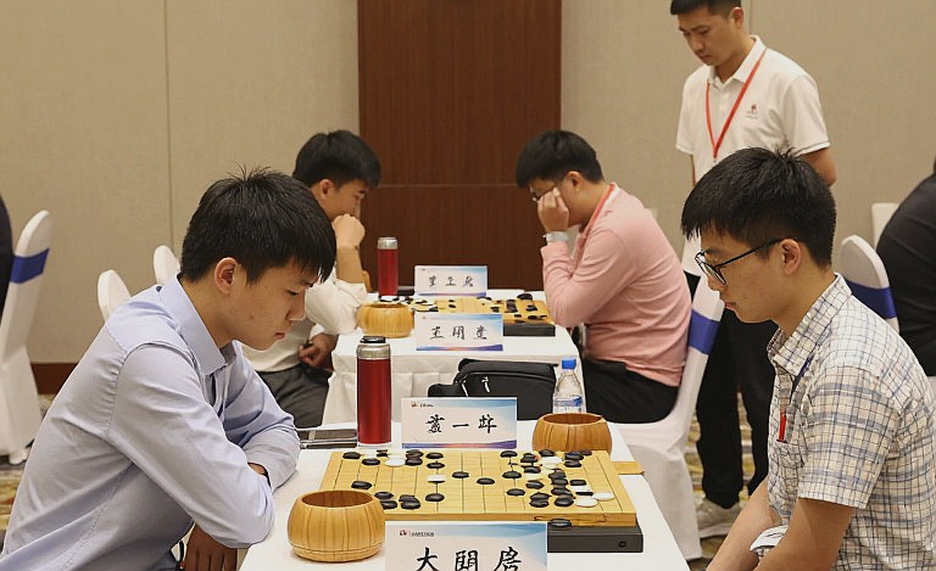
This page knows nothing of that. There is no silence on this page. Every empty space has been filled with a product. One news item, one opinion, four advertisements — and the ratio in between is not journalism. It is packaging.
When the final standings for this event appear, I will read them. But before that I will read the score sheet: how many games won, how many drawn, how many points arrived from the tripled games. If the title goes to a player who won fewer games, that will be a win for the format and a loss for the sport — and saying so is our job, not the organiser's.
Tomorrow another headline will arrive, with another advertisement beneath it, and we will read it with the same appetite. I have one request: when you read "leads after day one", pause for a moment and ask what a point was worth that day. If the answer is not on the page, then you are not reading news. You are reading a pre-packed product. One camera, one dongle, and a nation that did not know it was watching — that was the real story. This page is its shadow.