
The Real Map of Badminton: Tier, Points and Fatigue Decide What a Title Is Worth
बैडमिंटन में किसी खिताब या हार का सही मूल्यांकन पांच कारकों से होता है: BWF वर्ल्ड टूर का टियर (सुपर 1000 से सुपर 100 तक, ऊपर टूर फाइनल्स, विश्व चैंपियनशिप, ओलंपिक और टीम स्पर्धाएं), ड्रॉ का रास्ता और सीडिंग, कैलेंडर में उस हफ्ते की स्थिति, 52 हफ्तों की रोलिंग रैंकिंग के कारण बना पॉइंट्स-डिफेंस दबाव, और लगातार मुकाबलों का शारीरिक बोझ। कम स्तर के खिताब रैंकिंग बढ़ाते हैं पर स्तर साबित नहीं करते; मजबूत फील्ड में तीन गेम तक टिकी हार ज्यादा बताती है। बैडमिंटन की पांच स्पर्धाओं का भूगोल अलग है और हर देश का प्रशिक्षण मॉडल अलग—चीन का केंद्रीकृत तंत्र, जापान का कॉर्पोरेट टीम मॉडल, कोरिया की युगल परंपरा, इंडोनेशिया की पुरुष युगल संस्कृति और डेनमार्क का व्यक्तिगत व्यावसायिक मॉडल। चोट जोखिम मुख्य रूप से घुटने, कमर, कंधे और टखने पर केंद्रित है। असली ताकत मापने के लिए रैंकिंग, आमने-सामने का रिकॉर्ड और बड़े टूर्नामेंट के नॉकआउट प्रदर्शन—तीनों जरूरी हैं।
Badminton coverage usually stops at the scoreline, but the weight of a result is set by five factors that never appear on the scoreboard: the tier of the tournament, the draw path, the week's position in the calendar, the player's points to defend, and the accumulated physical load. The BWF World Tour's five tiers — Super 1000, 750, 500, 300 and 100 — along with the World Tour Finals, the World Championships, the Olympics and the team events, form an evaluation scale rather than a mere list of events. A low-tier title can lift a ranking without proving big-stage readiness, while a three-game quarterfinal loss at a Super 1000 often says more than a Super 100 trophy. Titles won in depleted fields carry a built-in discount. The 52-week rolling ranking, with every point carrying an expiry date, creates points-defence pressure; seeded status protects a top-eight player until the quarterfinals, and same-association separation shapes draws. In an Olympic qualification window, domestic competition becomes almost as hard as international competition. Each of the five disciplines has a different structural geography — endurance in men's singles, speed and defensive stability in women's singles, the first three shots in men's doubles, long rallies in women's doubles, and the interplay of the male player's court coverage and the female player's net control in mixed doubles. Playing styles divide into control, power attack and speed, and style-versus-style matchups are a matter of game plan. Injury risk in badminton is concentrated at the patellar tendon and meniscus, the lumbar spine, the rotator cuff, the ankle and the Achilles; rally scoring to 21 magnifies every dip in rhythm, and multi-event load raises the cost. National systems differ sharply — China's centralised training, Japan's corporate-team employment model, Korea's doubles tradition, Indonesia's men's doubles culture, Malaysia's singles dependence and Denmark's individual-professional model — and pairs are administratively assembled rather than self-selected, which makes selection decisions unusually decisive. The rules layer matters too: the 1.15-metre service-contact ceiling, rally scoring to 21 capped at 30, limited Hawk-Eye reviews and misconduct cards. Commercially, badminton's prize money sits far below tennis Grand Slam levels, which caps professionalisation; YONEX, LI-NING and VICTOR dominate the equipment market, while leagues and broadcast rights are the main commercial channels. Video analysis, dedicated physios and quality sparring pools are now part of the contest. Finally, narrative requires discipline: a ranking, a head-to-head record and consistent knockout performances at major events are the only reliable measures of real strength.
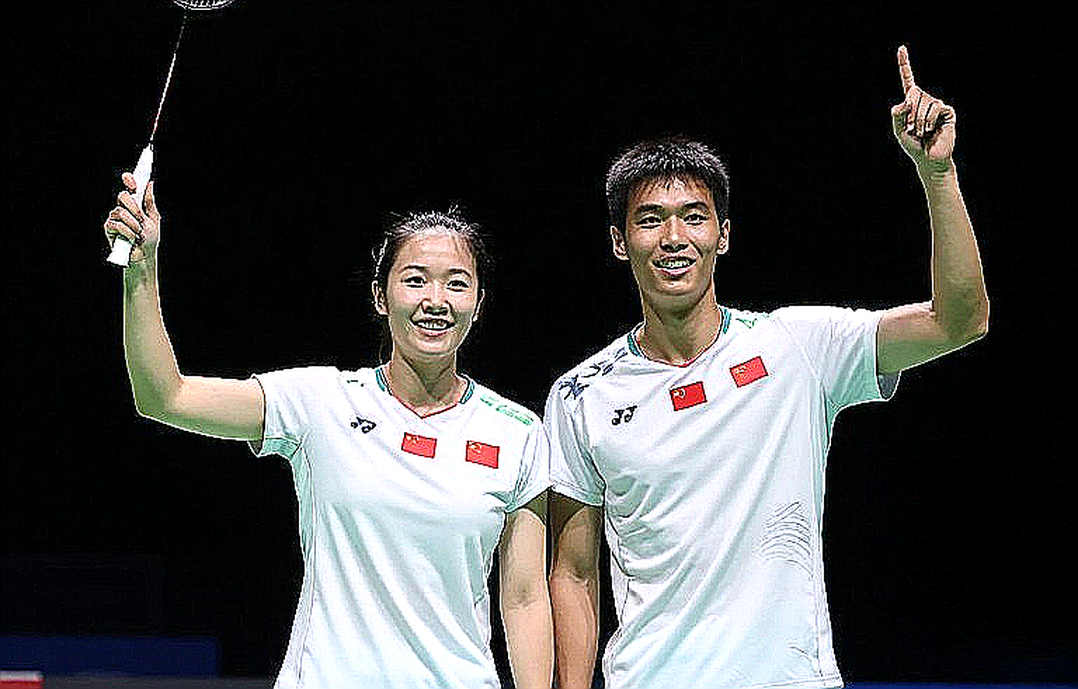
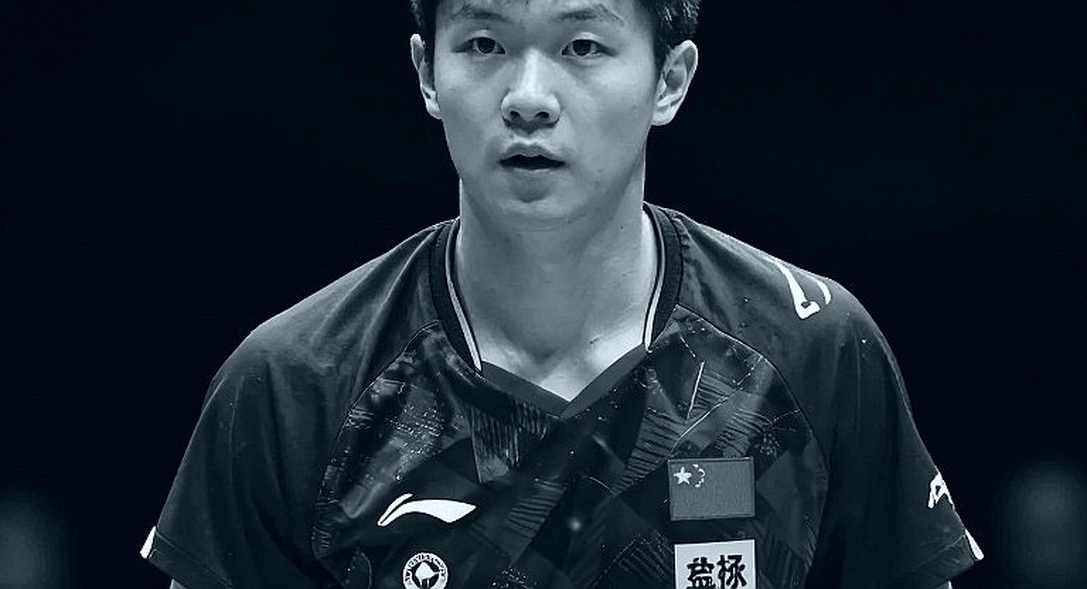
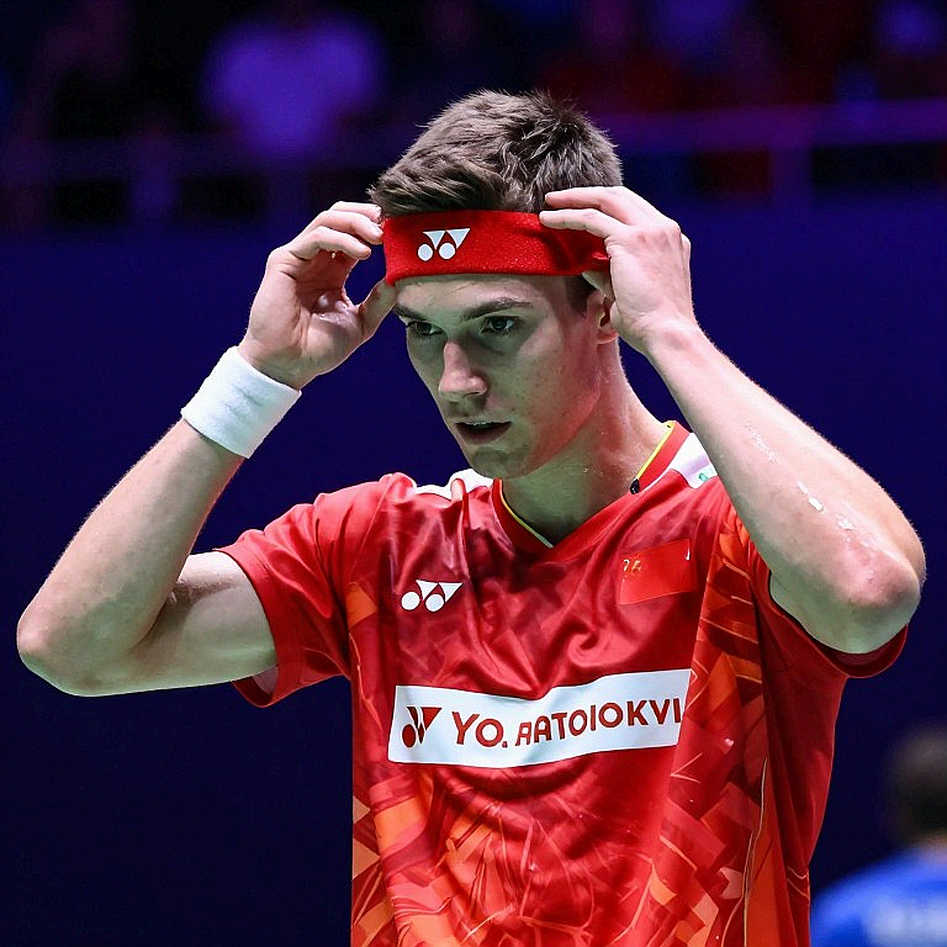
संबंधित खिलाड़ी
अनुशंसित
French Open 2026: Sindhu Shines Only in Game 1 as An Se Young Dominates Games 2 and 32026-11-01
French Open 2026: Sindhu's First Game Was Not Progress — It Was the Limit2026-10-26
French Open 2026 Final: Sindhu Took a Game, An Se Young Took the Match — and the 23-42 Stretch Says More Than the Trophy2026-10-30
A Ninth Title for Thùy Linh, but Quảng Trị Showed the Real Question Facing Vietnamese Women's Singles2026-10-29
Sindhu's 73-minute win was no 'outclass': French Open final vs An Se Young2026-10-25
French Open 2026: Sindhu Won a 73-Minute Semifinal, but the 20-22 Game Is the Real Warning for the Final2026-10-25
अनुशंसित
A Ninth Title for Thùy Linh, but Quảng Trị Showed the Real Question Facing Vietnamese Women's Singles2026-10-29
An Se Young Beats Sindhu in Three Games to Claim French Open Title2026-10-28
French Open 2026: 'Outclassed' Is the Easy Word for Sindhu's Win — 21-10, 20-22, 21-16 Is the Honest One2026-10-25
French Open 2026 Final: Sindhu vs An Se Young — 0-10, 73 Minutes and the Politics of Rally Length2026-10-29
The Real Map of Badminton: Tier, Points and Fatigue Decide What a Title Is Worth2026-11-02
French Open 2026 Final: Sindhu's First Game, Then 23-42 — Where the Gap Opened Against An Se Young2026-10-30